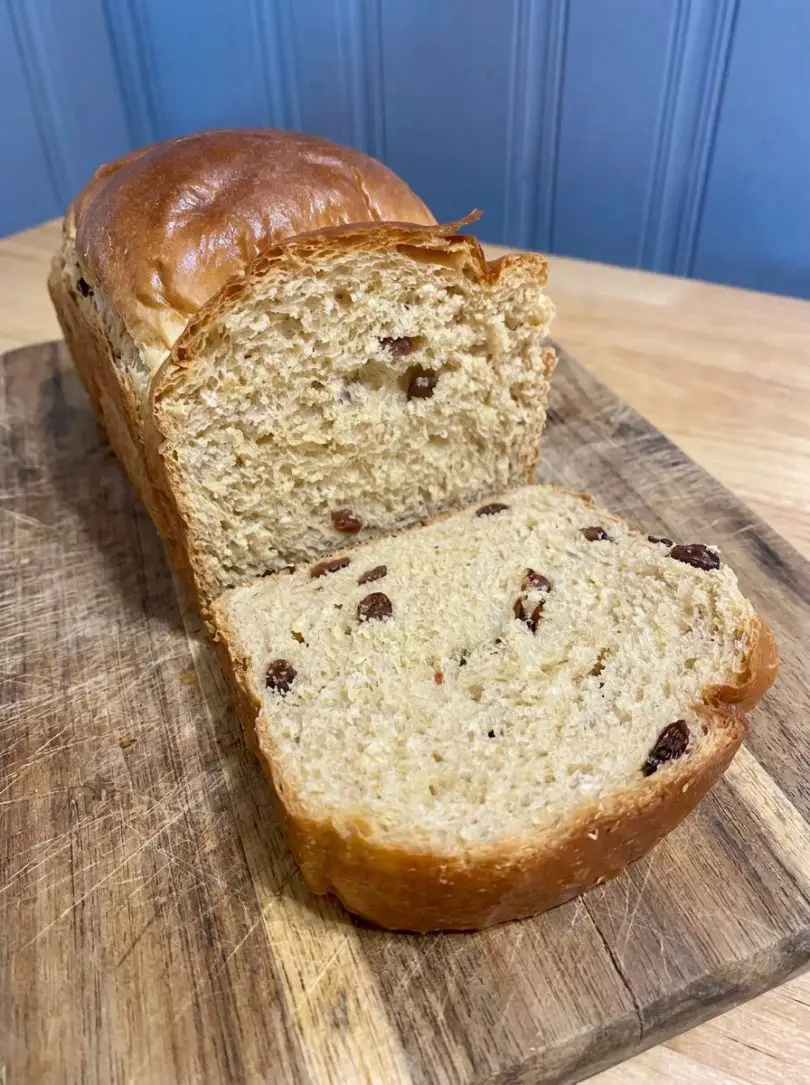
There is nothing quite like the smell of freshly baked bread, especially when it’s a warm, sweet loaf of Traditional Newfoundland Molasses Raisin Bread. If you grew up in Newfoundland, or have ever visited Canada’s East Coast, you know that a thick slice of this bread—slathered in butter and extra molasses—is the ultimate comfort food.
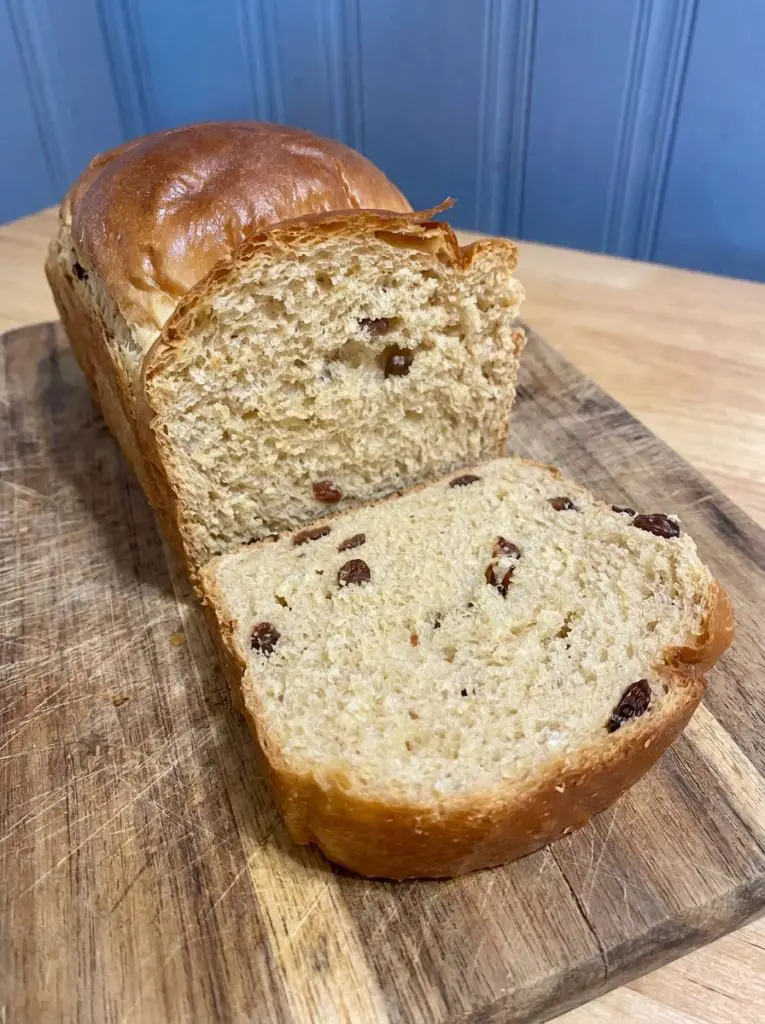
While molasses and raisins are delicious, their weight can sometimes result in a dense loaf. Not anymore! This tried-and-true recipe guarantees a soft, fluffy texture every single time. Whether you’re baking for a holiday, a family gathering, or just a cozy weekend morning, this authentic Canadian recipe is sure to become a household favorite.
Why You’ll Love This Recipe
- Incredibly Fluffy Texture: We share the secret to avoiding a heavy, dense loaf.
- Authentic Flavor: Made with East Coast staple ingredients, bringing you that genuine Newfoundland taste.
- Yields 3 Loaves: Perfect for feeding a crowd or freezing for later.
- Aromatic: The subtle hint of cinnamon paired with deep molasses will make your kitchen smell heavenly.
Key Ingredients for Newfoundland Raisin Bread
To get that authentic East Coast flavor, you’ll need a few pantry staples:
- Crosby’s Fancy Molasses: The star of the show. Found in almost every Newfoundland household, this specific molasses provides a rich, sweet depth of flavor without being bitter.
- Raisins: Sultana raisins work beautifully here. They plump up perfectly during the baking process.
- Instant Quick-Rise Yeast: Using instant yeast (4 ½ teaspoons or 2 packets) ensures a quick, robust rise to combat the heaviness of the raisins and molasses.
- Shortening & Butter: A combination of shortening (like Fluffo) and melted butter guarantees a tender crumb and rich flavor.
- All-Purpose Flour: You will need about 8 cups total, added gradually to achieve the perfect dough consistency.
Pro-Tips for the Fluffiest Bread
- Mind Your Temperatures: Ensure your milk and water are lukewarm (around 95°F / 35°C). If the liquids are too hot, they will kill the yeast; too cold, and the yeast won’t activate.
- Knead Thoroughly: Because the add-ins are heavy, gluten development is crucial. Knead for at least 5 to 10 minutes—go for 15 minutes if doing it by hand! The longer you knead, the softer the bread will be.
- Warm Rising Environment: Yeast loves warmth. Place your dough in a turned-off oven with just the oven light on for the perfect draft-free proofing box.
Prep time: 30 minutes | Rise time: 2 hours | Bake time: 30 minutes | Yield: 3 Loaves
Ingredients
Dry Ingredients:
- 8 cups all-purpose flour (divided)
- ¾ cup granulated white sugar
- 1 ½ tsp salt
- 4 ½ tsp instant quick-rise yeast (or 2 standard packets)
- 1 tsp ground cinnamon (optional, but highly recommended)
Wet Ingredients & Mix-Ins:
- 3 tbsp shortening (e.g., Fluffo)
- 3 tbsp butter, melted
- 2 cups fresh 2% milk
- 1 ½ cups lukewarm water
- ¼ cup Crosby’s Fancy Molasses
- 1 ½ cups dried raisins (Sultanas preferred)
Step-by-Step Instructions
1. Prepare the Dry Base
In a large mixing bowl, combine 4 cups of the all-purpose flour, instant yeast, sugar, salt, and cinnamon. Whisk well. Add the shortening to the bowl and use your fingers to rub it into the flour mixture until it resembles small grains of rice. Set aside.
2. Warm the Liquids
In a saucepan over medium heat, warm the milk until it is lukewarm (you will see tiny bubbles forming around the edges). Remove from heat immediately and stir in the melted butter. Note: Make sure the mixture cools to a lukewarm temperature (about 35°C/95°F). In a separate measuring cup, stir the molasses into the lukewarm water. Combine this molasses water with the warmed milk and butter mixture.
3. Mix the Dough
Create a well in the center of your dry ingredients and pour in the warm liquid mixture. Mix with a wooden spoon for 3 to 5 minutes until smooth and lump-free. Fold in the raisins.
Gradually add the remaining flour, about ½ cup at a time, stirring continuously. Once the dough becomes too stiff to stir with a spoon, use your hands to work in the rest of the flour until a dough ball forms.
4. Knead for Fluffiness
Turn the dough out onto a lightly floured surface. Knead vigorously for 5 to 10 minutes (up to 15 minutes for the best results). The dough should become smooth, elastic, and slightly tacky but not overly sticky.
5. First Rise
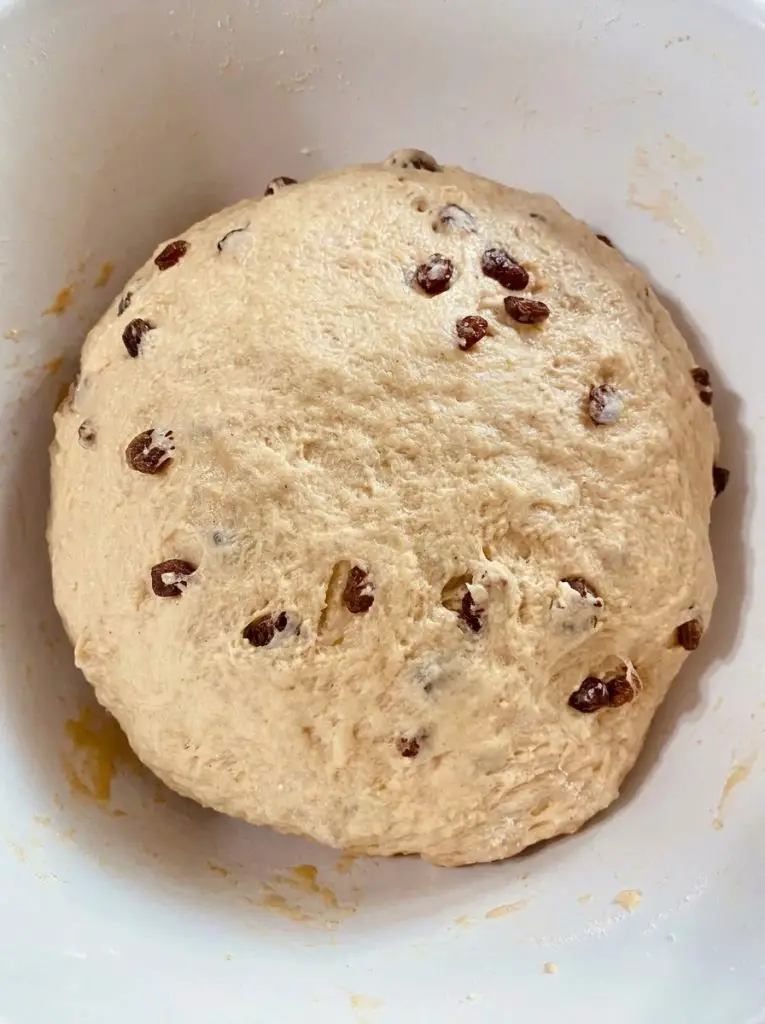
Pour about 1 tablespoon of neutral oil into a clean, large bowl. Place the dough ball face-down in the oil, then flip it over so the entire surface is lightly coated. Cover the bowl with a damp tea towel and place it in a warm, draft-free spot. Let the dough rise until it has doubled in size (about 1 hour).
6. Shape the Loaves
Gently punch down the risen dough and turn it out onto a floured surface. Divide the dough evenly into 3 equal portions. For a traditional look, divide each of those 3 portions into 3 smaller pieces. Roll them tightly into small balls and place 3 balls side-by-side into a greased 9×5-inch loaf pan. Repeat for the other two pans.
7. Second Rise
Cover the loaf pans with your tea towel and return them to your warm rising spot. Let them rise until the dough reaches the top of the pans and has doubled in size again (about 45–60 minutes).
8. Bake to Perfection
Preheat your oven to 350°F (175°C). Bake the loaves for approximately 30 minutes. You will know the bread is done when the tops are a deep golden brown and the loaves sound hollow when lightly tapped on the top.
Remove from the pans immediately and transfer to a wire cooling rack. Chef’s tip: Brush the warm tops with a little melted butter for a beautiful, soft crust!
Frequently Asked Questions (FAQs)
How do I serve Newfoundland Molasses Raisin Bread? This bread is best served warm, in thick slices. The traditional Newfoundland way is to slather it generously with butter and drizzle extra fancy molasses right on top!
Why did my raisin bread turn out dense? Dense bread is usually the result of three things: the yeast was killed by liquids that were too hot, the dough wasn’t kneaded long enough to develop the gluten, or the dough didn’t have a warm enough environment to rise fully. Take your time with the kneading and proofing steps!
Can I freeze this bread? Absolutely. Because this recipe yields 3 loaves, it’s perfect for freezing. Let the baked bread cool completely, wrap it tightly in plastic wrap, and then place it in a ziplock freezer bag. It will keep in the freezer for up to 3 months. Thaw at room temperature when ready to enjoy.
Can I use Blackstrap Molasses instead? It is highly recommended to use Fancy Molasses (like Crosby’s) for this recipe. Blackstrap molasses is much more bitter, intense, and less sweet, which will drastically alter the traditional flavor profile of this sweet bread.


Leave a Comment