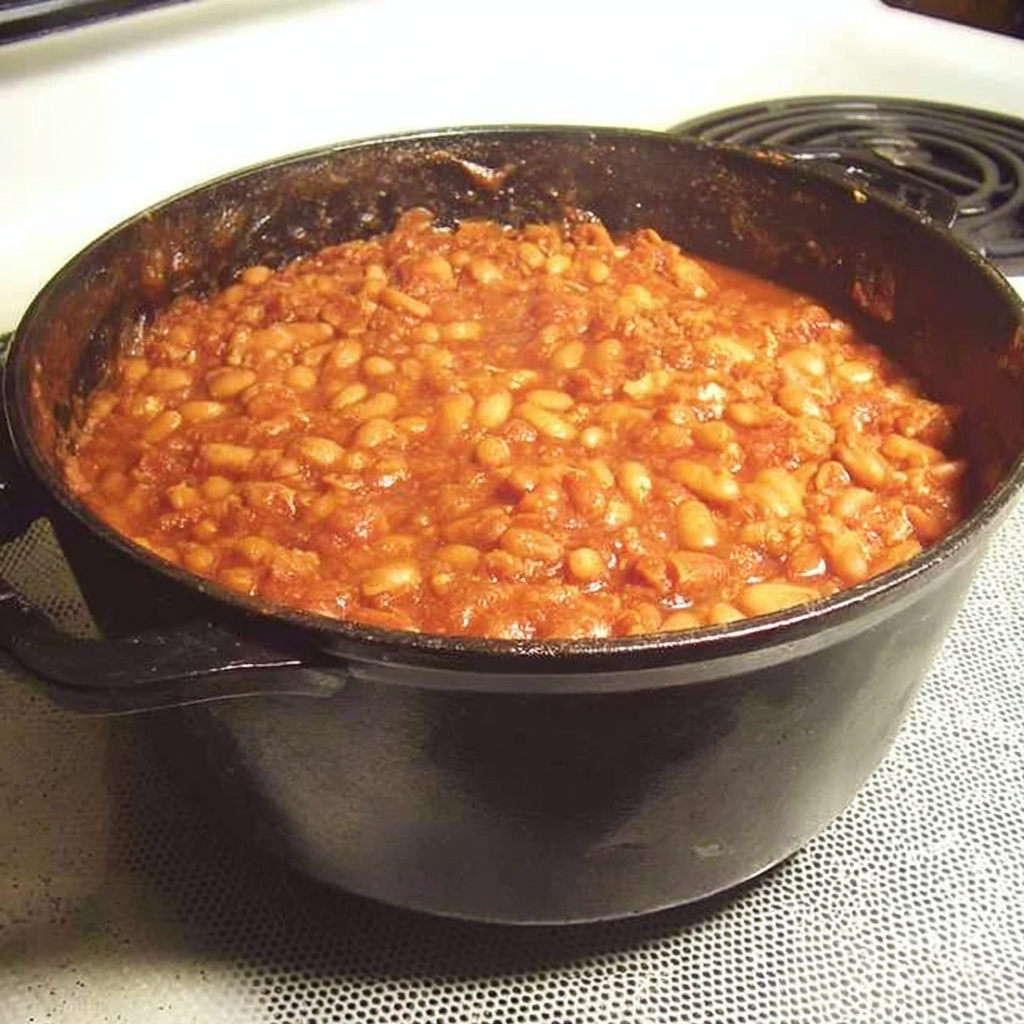
If you’ve ever sat down to a Newfoundland supper, you know that baked beans are more than just a side dish – they’re a warm, sweet, and savory comfort food with deep roots in Atlantic Canadian kitchens.
Slow-baked with molasses, brown sugar, onion, and ketchup, this recipe is easy enough for beginners and tastes even better the next day.
Why You’ll Love This Recipe
- Beginner-friendly: Only a few simple steps, most of the time is hands-off baking.
- Healthy twist: Made without bacon, so it’s lighter and vegetarian.
- Authentic flavor: Still uses classic Newfoundland ingredients like molasses and ketchup.
- Versatile: Serve as a main with brown bread, or as a side to any comfort meal.
Ingredients (No-Bacon Version)
- 1 lb (450 g) dried white pea beans (or navy beans)
- 4 cups cold water (for par-cooking)
- 2 tbsp olive oil or butter (use vegan butter for plant-based)
- 1/4 cup molasses
- 1 tbsp brown sugar
- 1/2 tsp salt (adjust to taste)
- 1/4 tsp black pepper
- 1/2 cup ketchup
- 1 medium onion, sliced
- 1/2 tsp mustard (yellow or Dijon)
- Optional: 1/2 tsp smoked paprika or 2–3 drops liquid smoke (for smokiness)
- Extra hot water (to keep beans covered while baking)
Recipe Snapshot
- Yield: 6–8 servings
- Prep Time: 15 minutes (+ overnight soak)
- Bake Time: 6–7 hours
- Skill Level: Beginner
Step-by-Step Instructions
1. Soak the Beans Overnight
Rinse the beans and soak them in plenty of cold water overnight (8–12 hours). This reduces cooking time and improves texture.
2. Par-Cook the Beans
Drain and rinse soaked beans. Place in a pot with 4 cups water. Bring to a boil, then simmer 15–20 minutes. Drain well.
3. Mix the Sauce
In a bowl, stir together molasses, brown sugar, salt, pepper, ketchup, sliced onion, mustard, and olive oil. Add smoked paprika or liquid smoke if using.
4. Combine and Bake
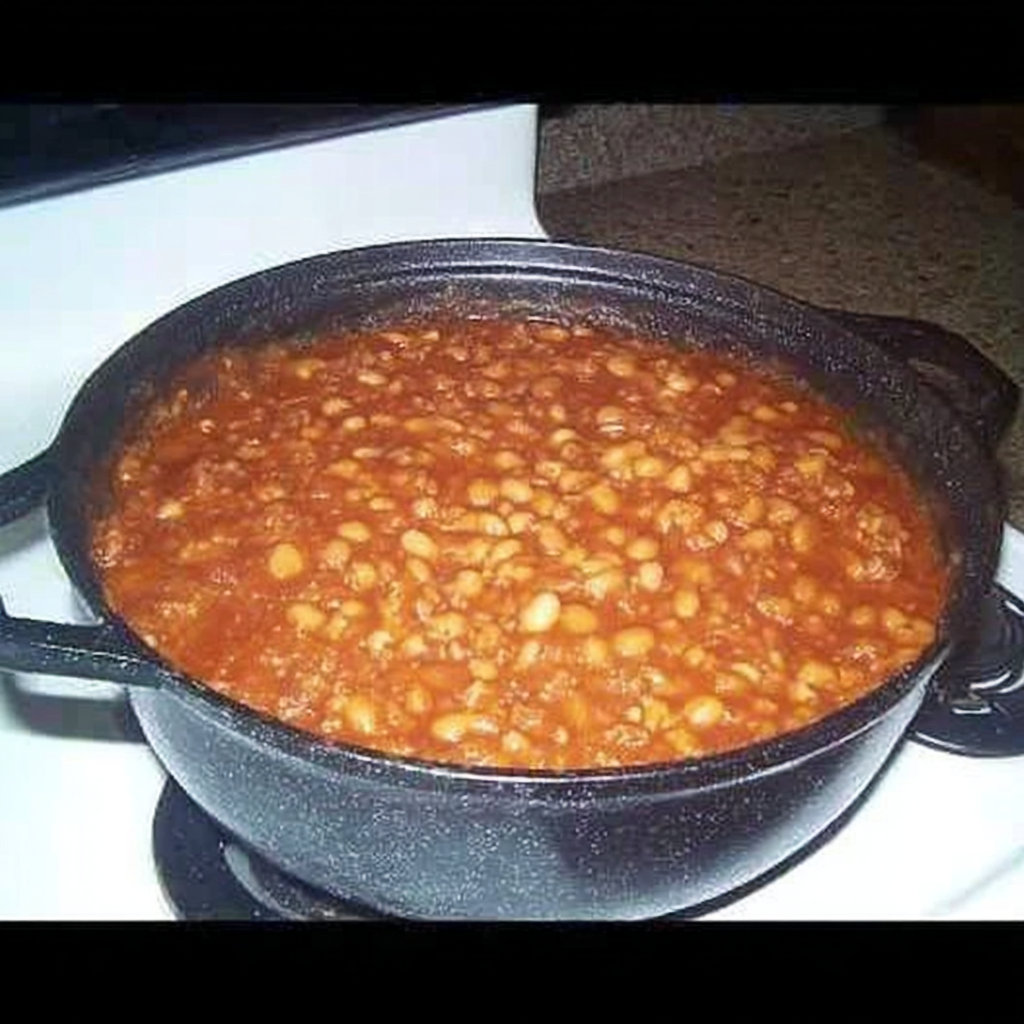
Put beans into a deep casserole or Dutch oven. Pour sauce over beans and stir gently. Add enough water so beans are covered by about ½ inch.
5. Bake Low and Slow
Cover tightly and bake at 250°F (120°C) for 6–7 hours. Check once or twice; add more hot water if beans start to dry out.
6. Finish and Serve
When beans are tender and creamy, taste and adjust seasoning. Serve hot with bread, potatoes, or as part of a classic Newfoundland meal.
Tips for Success
- Don’t skip soaking: It makes beans softer and easier to digest.
- Keep them covered: Always maintain liquid above beans while baking.
- Flavor boost: Add a splash of soy sauce or tamari for extra umami depth.
- Smoky twist: Use smoked paprika if you miss the bacon flavor.
Variations
- Vegan: Use olive oil or vegan butter.
- Canned beans shortcut: Use 3–4 cans (drained) instead of dried beans; reduce bake time to 1–1.5 hours.
- Spicy kick: Add chili flakes or cayenne for heat.
- Slow cooker method: Cook beans on LOW for 6–8 hours after par-cooking.
Storage & Reheating
- Fridge: Store in a sealed container for 3–4 days.
- Freezer: Freeze portions for up to 3 months.
- Reheat: Warm gently on the stove with a splash of water if too thick.
FAQ
Q: Can I skip the molasses?
Molasses gives Newfoundland baked beans their signature flavor. If you don’t have it, use dark brown sugar and a little maple syrup as a substitute.
Q: What kind of beans work best?
Traditionally, white pea beans are used. Navy beans or Great Northern beans are excellent substitutes.
Q: Can I make this recipe vegan?
Yes! Just use olive oil or vegan butter, and this recipe becomes fully plant-based.
Q: Why bake for so long?
The long, slow baking creates a creamy bean texture and allows the sweet and savory flavors to develop deeply.
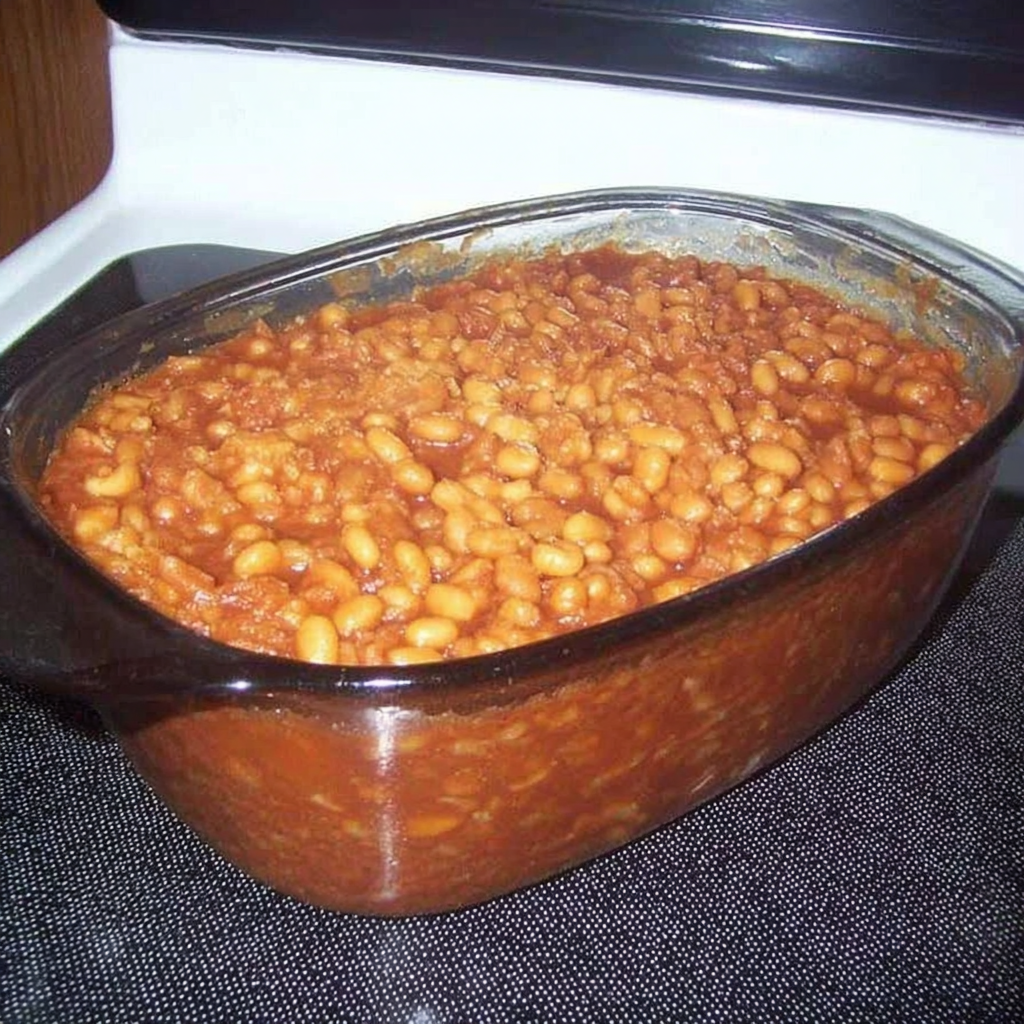
Newfoundland baked beans prove that you don’t need pork to enjoy this Atlantic Canadian classic. With a rich, molasses-based sauce and a long, slow bake, you’ll get tender, flavorful beans perfect for family dinners, potlucks, or meal prep. Give it a try, and you’ll see why this dish has been passed down for generations.
If you loved this recipe, share it with friends and leave a comment below — I’d love to hear how yours turned out!


Leave a Comment